Do Any of These Sound Familiar?
You deserve better than working around a missing tooth. A solution exists that feels natural, lasts for years, and puts life back on your terms.
What Happens When You Wait?
Bone Loss Accelerates
The jawbone beneath a gap begins shrinking without a tooth root to stimulate it, making future treatment more complex.
Neighboring Teeth Shift
Adjacent teeth slowly drift toward the open space, causing misalignment that affects your entire bite.
Chewing Strain Increases
Remaining teeth absorb extra pressure when gaps go unfilled, wearing them down faster over time.
Treatment Becomes More Involved
Bone loss and shifting teeth may require additional procedures before a bridge can even be placed.
Costs Rise Over Time
Addressing compounding issues later typically means more treatment, more appointments, and higher overall expense.
Confidence Keeps Slipping
Each month without a solution is another month of adjusting, hiding, and holding back.
Acting sooner means a simpler path, a stronger result, and a faster return to smiling without a second thought.
What Are Implant-Supported Bridges?
An implant-supported bridge replaces one or more missing teeth using dental implants (permanent titanium posts placed in the jawbone) as anchors instead of relying on neighboring natural teeth. Two implants are typically placed on either side of the gap, with the replacement tooth or teeth suspended between them. The result is a fixed restoration that stays in place, functions like natural teeth, and puts no extra strain on surrounding healthy teeth.
At The Dome Dentistry and Implants, we plan every implant-supported bridge in Mountain Home, ID using a fully digital workflow, from 3D CBCT imaging to precise surgical planning. This level of detail means each bridge is designed to fit accurately, function reliably, and blend naturally with the rest of your smile.
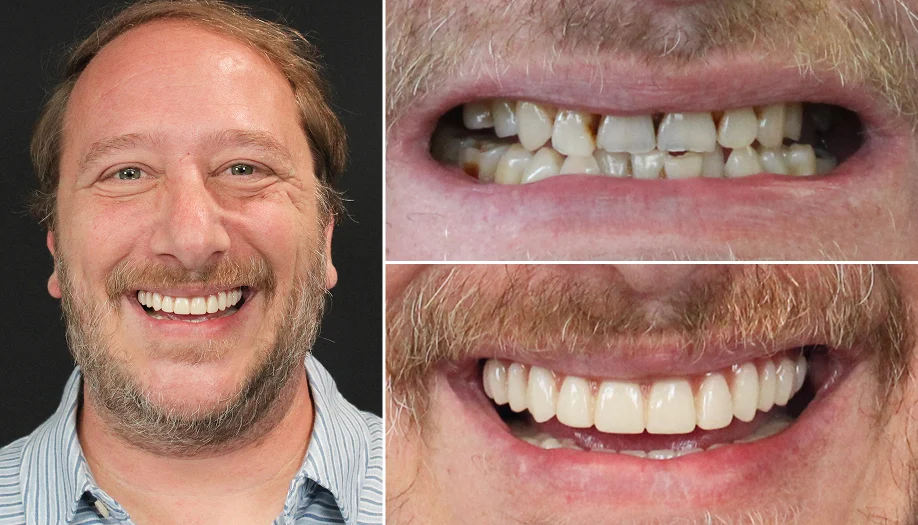
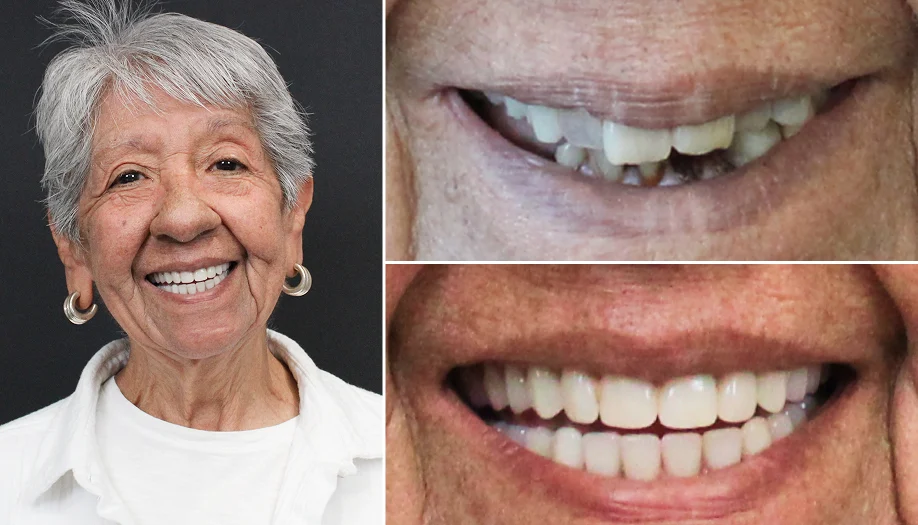
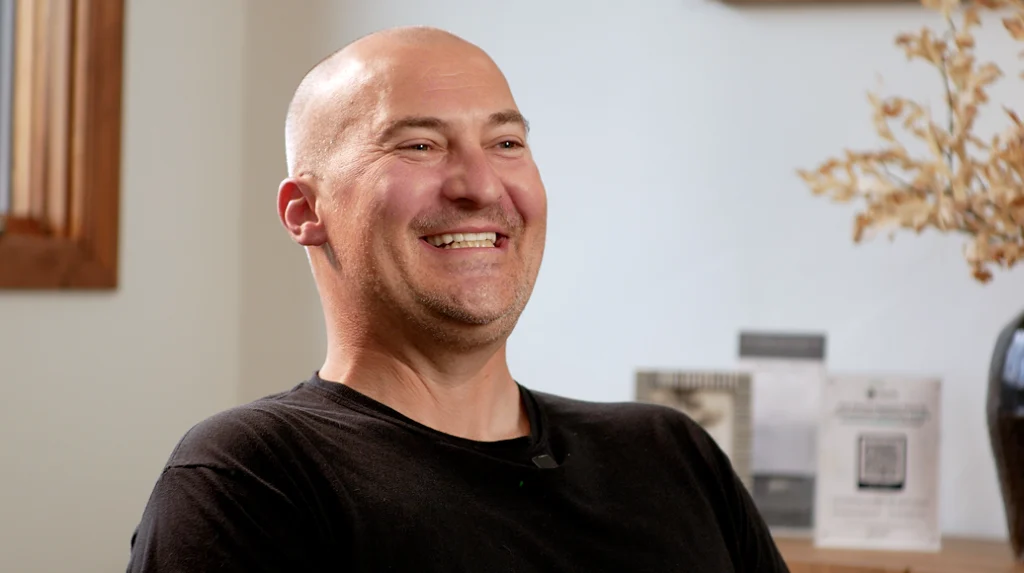
Transformations That Last
Elfie Stoehr
Tim Bollinger
David Bohrer
Be our Next Success Story!
Which Implant-Supported Bridge Is Right for You?
| Factor | Fixed Implant Bridge | Removable Implant Bridge |
|---|---|---|
| Ideal for | Patients wanting permanent teeth | Patients preferring removability |
| Stability | Fully fixed; does not move | Snaps on/off implants; very stable |
| Maintenance | Brush and floss like natural teeth | Remove nightly for cleaning |
| Longevity | Decades with proper care | 10-20 years with proper care |
| Comfort level | Feels most like natural teeth | Comfortable; some adjusting period |
| Number of implants | Typically 2 per bridge | 2-4 depending on span |
| Bone preservation | Yes; implants stimulate jawbone | Yes; implants stimulate jawbone |
| Key advantage | No removal; always in place | Easier access for cleaning |
| Key consideration | Requires consistent home hygiene | Attachment components may need replacing |
Download our Dental Implant Pricing & Information Guide
In the guide, you’ll learn about:
- Dental Implant Options
- Factors That Affect Your Eligibility
- Average Pricing
Benefits of Implant-Supported Bridges
See What's Possible for Your Smile
These aren’t just teeth; they’re life-changing transformations that restore confidence and comfort. Each before-and-after photo represents a patient who trusted us with their smile journey.
Dental Implants
Dental Implants
Be our Next Success Story!
Request an appointment with one of our doctors and start your smile journey today.
Is an Implant-Supported Bridge Right for You?
Not Sure If You Qualify?
What to Expect With Implant-Supported Bridges
Consultation and 3D Planning
Your first visit includes a thorough exam and a low-radiation 3D CBCT scan using our Acteon Optima imaging system. This gives us a precise, three-dimensional picture of your teeth, roots, jawbone, and surrounding structures. You leave with a clear treatment plan, a full understanding of what to expect, and no unanswered questions.
Implant Placement
On the day of placement, local anesthesia ensures you stay comfortable throughout. Sedation options are available if you prefer to feel more relaxed. Two titanium implant posts are placed in the jawbone at the positions mapped during planning. Most patients are surprised by how comfortable the appointment is, describing it as much easier than expected.
Healing and Integration
Over the next several months, the implants fuse with your jawbone through a natural process called osseointegration (where titanium bonds permanently with bone). A temporary restoration keeps things looking and functioning well while healing progresses. This phase requires no major changes to your routine for most patients.
Bridge Fabrication and Fitting
Once integration is confirmed, digital scans capture the exact position and fit needed for your custom bridge. Your permanent restoration is crafted from high-quality materials designed to match your surrounding teeth in both color and shape. We make any final adjustments to ensure your bite feels completely natural before the bridge is permanently secured.
Final Placement and Smile
Check Your bridge is attached and checked for fit, bite, and comfort. You leave with a stable, fully functional set of replacement teeth and clear guidance on caring for them going forward. Most patients walk out smiling before they even reach the car.
Ready to Replace Missing Teeth for Good?
What to Expect After Implant-Supported Bridge Placement
First 24-48 Hours
Some mild swelling, tenderness, or slight bleeding around the implant sites is completely normal in the first day or two. Stick to soft foods, rest when you can, and follow any instructions provided after your appointment. Most patients manage comfortably with over-the-counter pain relief or prescribed medication if needed.
First 1-2 Weeks
Swelling typically resolves within the first week, and most patients return to regular activities within a few days. You can eat soft foods freely and gradually reintroduce more variety as comfort allows. Light sensitivity at the implant site often fades quickly during this period.
Long-Term Healing
Full osseointegration (the process of the implants fusing with your jawbone) typically takes three to six months. During this time, a temporary restoration keeps your smile intact and functional. Most patients find this phase requires very little adjustment to daily life and progresses smoothly.
Questions About Recovery? We are here to help.
Implant-Supported Bridges vs. Traditional Bridge, Fixed Bridge, and Partial Dentures
| Factor | Implant-Supported Bridge | Traditional Bridge | Partial Dentures |
|---|---|---|---|
| Stability | Fully fixed; anchored by implants | Fixed; anchored to adjacent teeth | Removable; may shift with use |
| Bone preservation | Yes; implants stimulate jawbone | No; bone loss continues over time | No; bone loss continues over time |
| Adjacent teeth impact | None; healthy teeth left untouched | Requires reshaping neighboring teeth | Clasps attach to existing teeth |
| Longevity | Decades with proper care | 10-15 years on average | 5-10 years on average |
| Chewing function | Near-natural bite strength restored | Good function restored | Moderate; can feel less secure |
| Appearance | Closely mimics natural teeth | Natural-looking result | Natural-looking; varies by design |
| Maintenance | Brush and floss like natural teeth | Requires floss threader under bridge | Remove nightly for cleaning |
| Initial investment | Higher upfront | Moderate | Lower upfront |
| Long-term value | Strong; fewer replacements needed | Moderate; eventual replacement likely | May require refitting or replacement |
Flexible Payment Plans for Your Smile
NO Credit Score Impact Until Plan Selected.
Don't Wait to Smile. Check out Our Payment Options.
Implant-Supported Bridge FAQs
How is an implant-supported bridge different from a traditional bridge?
How long does the full process take?
Will it hurt?
How long will the bridge last?
Am I a candidate if I have some bone loss?
What does it feel like to chew with an implant-supported bridge?
How do I care for an implant-supported bridge?
Are implant-supported bridges better than dentures for multiple missing teeth?
What if I am nervous about the procedure?
Is the final bridge noticeable or does it look natural?
Still Have Questions?​