Do Any of These Sound Familiar?
You are not alone in feeling this way. Relief is possible, and a healthier, more comfortable life is closer than you think.
What Happens If You Wait?
Infection Spreads Fast
A dental infection left untreated can move into the jaw, neck, or bloodstream and become a serious health issue.
Bone Loss Accelerates
Damage to the surrounding jawbone progresses the longer a compromised tooth remains in place.
Neighboring Teeth Suffer
Adjacent teeth are put under abnormal stress and pressure, increasing the risk of additional damage.
Treatment Grows More Complex
What starts as a straightforward extraction can become a more involved procedure when complications develop over time.
Costs Increase
More complex cases require more care, and delays often mean more appointments and higher overall treatment costs.
Replacement Options Narrow
Bone loss and shifting teeth can limit which tooth replacement solutions are available to you later.
Acting sooner means a simpler procedure, a smoother recovery, and more options for rebuilding your smile.
What Is a Tooth Extraction and How Does It Work?
A tooth extraction is the removal of a tooth from its socket in the jawbone. While every effort is made to preserve natural teeth, extraction becomes the right choice when a tooth is severely decayed, infected beyond repair, fractured, impacted, or causing harm to the surrounding structures. There are two primary types: simple extractions, which involve teeth that are visible and accessible, and surgical extractions, which address teeth that are broken at the gumline, impacted, or have complex root structures.
At our practice, tooth extractions in Mountain Home are approached with precision and a strong focus on patient comfort. We use detailed 3D imaging through our CBCT scanner to assess the tooth, surrounding bone, and nearby nerves before treatment begins. This level of planning allows us to anticipate any complexity and reduce the likelihood of surprises during the procedure.
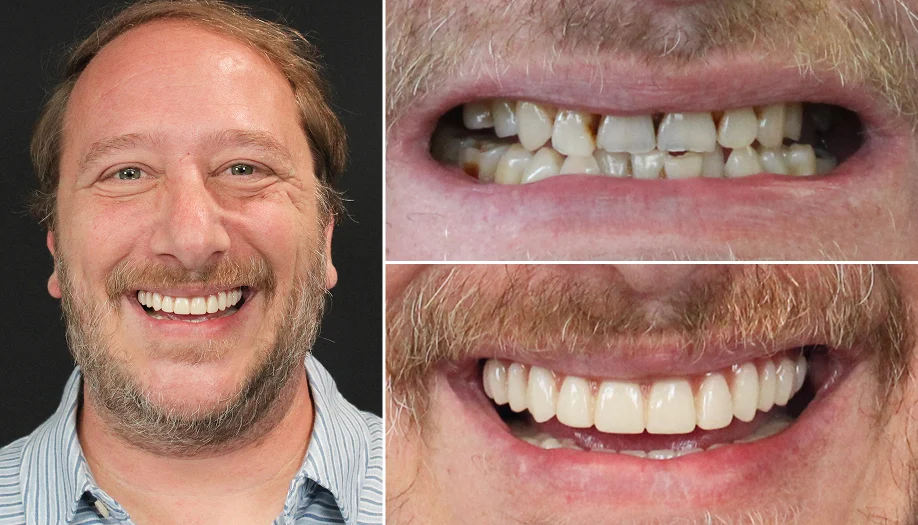
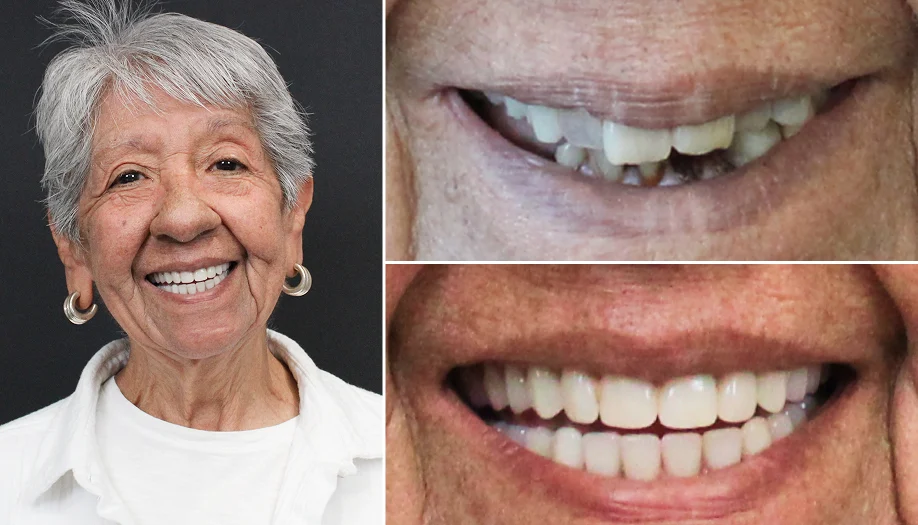
Transformations That Last
Daniel Marchant
David Bohrer
Tim Bollinger
Be our Next Success Story!
Common Struggles We Hear From Patients
Download Your Guide To Tooth Extraction Process!
In the guide, you’ll learn about:
- Step-By-Step Overview
- Common Procedures
- Common Questions
Benefits of Tooth Extractions
See What's Possible for Your Smile
These aren’t just teeth; they’re life-changing transformations that restore confidence and comfort. Each before-and-after photo represents a patient who trusted us with their smile journey.
Dental Implants
Dental Implants
Be our Next Success Story!
Request an appointment with one of our doctors and start your smile journey today.
Is a Tooth Extraction Right for You?
Not Sure Whether Extraction Is the Right Call?
What to Expect During Your Tooth Extraction
Consultation and Imaging
Your visit begins with a detailed assessment, including 3D CBCT imaging that shows us the full picture of your tooth, roots, surrounding bone, and nearby nerve pathways. You will have a clear conversation about your options, sedation preferences, and what the procedure involves before anything is scheduled.
Comfort Setup and Sedation
On the day of your extraction, you will be comfortably positioned and your sedation option will be administered. Whether you have chosen nitrous oxide or oral sedation, the goal is the same: you should feel relaxed, at ease, and free from anxiety before we begin. Local anesthetic is applied so the area is thoroughly numb.
The Extraction
Your tooth is carefully loosened from the socket using precise, controlled movements. For surgical extractions, a small incision may be made to access the tooth or section it for easier removal. Throughout this step, you will feel pressure but not pain. Most patients are surprised by how quickly it goes.
Closing and Post-Extraction
Care Once the tooth is removed, the socket is gently cleaned and, when appropriate, a protective material or sutures are placed to support healing. You will receive clear guidance on what to expect over the next several days before you leave.
Ready to Leave the Pain Behind and Start Healing?
What to Expect After Your Tooth Extraction
First 24-48 Hours
Some mild swelling, tenderness, and light bleeding are completely normal in the first day or two. Plan to rest, keep your head elevated, and stick to soft foods. A blood clot will form in the socket, which is an important part of healing, so avoiding straws, smoking, or vigorous rinsing during this period is important. Most patients find this stage easier to manage than expected.
First Week
Swelling and discomfort typically decrease significantly within the first few days. You will gradually return to more normal foods as the area feels comfortable. Any sutures placed will either dissolve on their own or be removed at a brief follow-up visit. Many patients return to regular routines within a day or two.
Long-Term Healing
The socket continues to fill in with new bone tissue over the following weeks and months. If tooth replacement is part of your plan, this healing period is also when we begin discussing next steps, whether that means an implant, bridge, or another solution that fits your goals.
Questions About Recovery? We are here to help.
Flexible Payment Plans for Your Smile
NO Credit Score Impact Until Plan Selected.
Don't Wait to Smile. Check out Our Payment Options.
Tooth Extraction FAQs
Will the extraction hurt?
How do I know if a tooth actually needs to be removed?
What sedation options are available for my extraction?
How long does the procedure typically take?
How long is recovery after a tooth extraction?
Can I eat normally after an extraction?
Do I need to replace the extracted tooth?
What happens if I leave a damaged tooth in place instead of extracting it?
Is tooth extraction safe?
What if I am nervous about having a tooth pulled?
Still Have Questions?​